
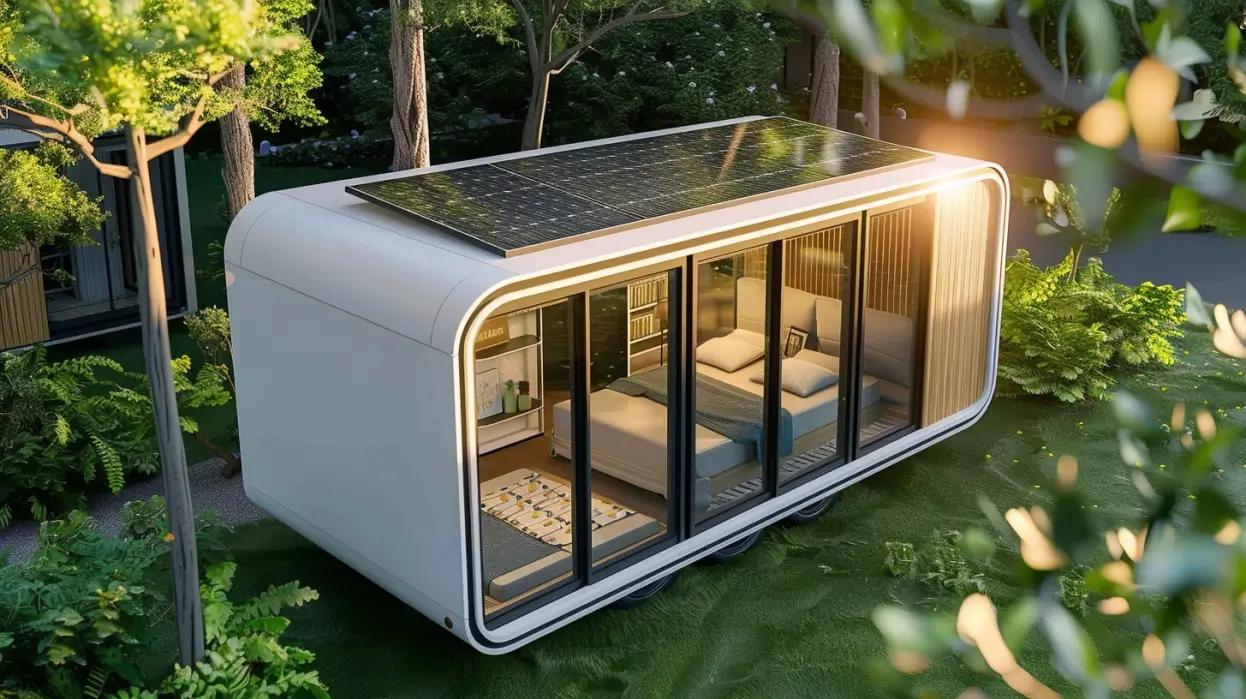
Imagine waking up each day surrounded by nature, living comfortably in a beautifully designed space that’s powered entirely by the sun. More people than ever are exploring the freedom and sustainability of off‑grid living, and the tiny house pod makes it easier than ever.
Compact, stylish, and highly efficient, a tiny house pod combines modern modular construction with smart design, allowing you to create a self‑sufficient home almost anywhere. In this article, we’ll explore what makes a solar‑powered tiny house pod the perfect choice for off‑grid living: from how to set up your own solar system to key design considerations, benefits, and the costs you should expect.
Whether you’re dreaming of a weekend retreat, an eco‑friendly Airbnb rental, or a permanent minimalist lifestyle, read on to see how a solar tiny house pod can help you live off‑grid, without sacrificing comfort or style.
A tiny house pod is a compact, modular living unit designed for simplicity, comfort, and quick installation. Unlike traditional tiny homes built entirely on-site, tiny house pods are usually prefabricated in a factory, then delivered and assembled wherever you choose — from a quiet forest clearing to your own backyard.
Typically ranging from 100–300 square feet, these pods are carefully engineered to include everything you need: a cozy sleeping area, kitchenette, bathroom, and sometimes even clever storage and workspace solutions. Modern designs also feature high‑quality insulation, durable cladding, and large windows to make even a small footprint feel spacious and bright.
At Roof Jet Cabin, our tiny house pods are built to adapt to your lifestyle — whether you want an off‑grid getaway, a stylish home office, or a small rental unit. What sets them apart is the flexibility to live sustainably and independently, especially when paired with a solar system that provides clean, renewable energy wherever you are.
In the next section, we’ll look at why more people are choosing to live off the grid — and why a tiny house pod makes it possible.
Choosing to live off‑grid isn’t just about escaping the city — it’s about gaining independence, saving money in the long term, and reducing your impact on the planet. When you combine off‑grid living with a tiny house pod, the lifestyle becomes not only achievable but also surprisingly comfortable and modern.
Here are a few reasons why going off‑grid appeals to so many:
1. Freedom of location – Without the need for power or water connections, you can place your tiny house pod almost anywhere: by a lake, in the mountains, or even in your backyard as a self‑sufficient retreat.
2. Lower utility costs – Generating your electricity with solar panels means no monthly energy bills. Over time, your investment pays for itself.
3. Sustainable living – Reducing reliance on fossil fuels and minimizing waste aligns perfectly with an eco‑friendly lifestyle. Many people pair solar power with composting toilets, rainwater harvesting, and other green systems.
4. Resilience and independence – Off‑grid systems keep you protected from power outages and rising utility prices, giving you full control over your energy needs.
For many, the idea of living off‑grid once seemed out of reach — but today’s modular, well‑designed tiny house pods make it not only possible but practical. The next question is: how exactly do you power your pod sustainably?
Let’s look at how to set up your solar system and what you need to live comfortably off the grid.
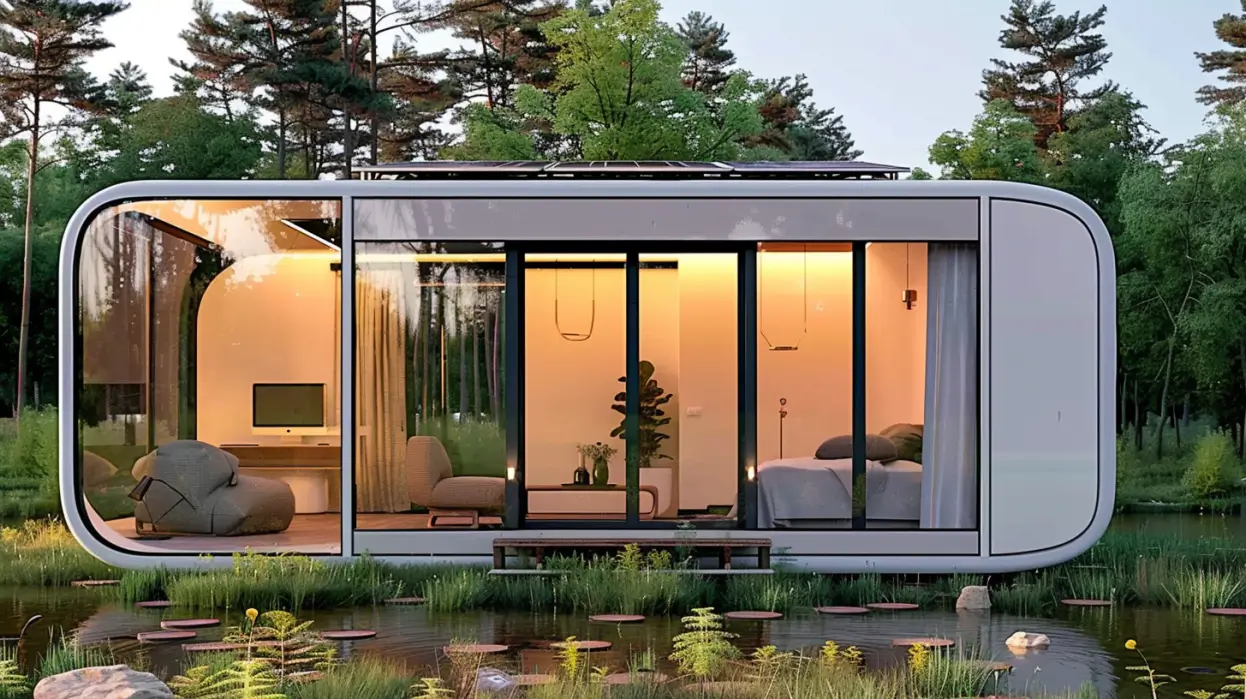
Adding solar power to your tiny house pod transforms it from a clever small space into a truly self‑sufficient home. Whether you’re packing your pod deep in nature or simply want to cut your monthly bills, here’s how it works — and what you should consider.
For most tiny house pods, you’ll typically look at two main solar options:
Either option should be paired with:
Before installing, calculate:
This helps size your system correctly, so you never run out of power.
With careful planning, your solar tiny house pod can run lights, refrigeration, charging stations, and even heating or cooling systems — all without connecting to the grid.
Next, let’s look at why so many people love this lifestyle beyond the obvious energy savings.
Choosing a solar-powered tiny house pod for off-grid living comes with many advantages that go beyond just cutting utility bills. Here’s why this lifestyle is catching on:
By harnessing solar energy, you drastically reduce your carbon footprint. Solar power is clean, renewable, and quiet, making your tiny house pod a green living solution that respects nature.
While the upfront cost of solar panels and battery storage may seem significant, the savings on monthly energy bills add up. Over time, you can break even and enjoy essentially free electricity.
Without the need for power grid connections, you can install your pod in remote, scenic locations or areas without reliable infrastructure. This flexibility is perfect for weekend getaways, Airbnb rentals, or a permanent home.
Tiny house pods are designed for rapid setup. Many can be delivered and installed within days, meaning you start enjoying your off-grid lifestyle faster than traditional homes.
Living in a tiny house pod encourages intentional living, prioritizing quality over quantity. Modern designs ensure you don’t sacrifice comfort while embracing simplicity.
This blend of benefits makes off-grid solar tiny house pods an attractive option for eco-conscious adventurers, remote workers, and anyone looking to downsize smartly.

Understanding the costs involved in building and powering an off-grid solar tiny house pod is essential for planning your budget and estimating your return on investment (ROI). Here’s a general overview:
Depending on size, materials, and features, a basic tiny house pod typically costs between $30,000 and $70,000. Customizations like high-end finishes or expanded layouts can increase this price.
A complete solar setup—including panels, batteries, inverter, and installation—usually ranges from $10,000 to $25,000, depending on system size and energy needs.
Though initial costs can seem high, solar power can save hundreds or even thousands of dollars annually on electricity bills. Many off-grid homeowners report a payback period of 5–10 years, after which energy costs are dramatically reduced or eliminated.
Check local and federal programs for solar incentives or tax credits that can lower your upfront investment. These programs vary by region but can significantly improve ROI.
Investing in a solar tiny house pod is not just a lifestyle choice — it can also be a smart financial move in the long term.
Off-grid living isn’t for everyone, but it can be a perfect fit if you value independence, sustainability, and simplicity. Here are a few questions to help you decide if a solar tiny house pod is the right choice:
If you answered yes to most of these, off-grid living could offer the freedom and peace of mind you’re looking for.
If you’re unsure, consider hybrid solutions like grid-tied solar systems with battery backup, which provide more flexibility.
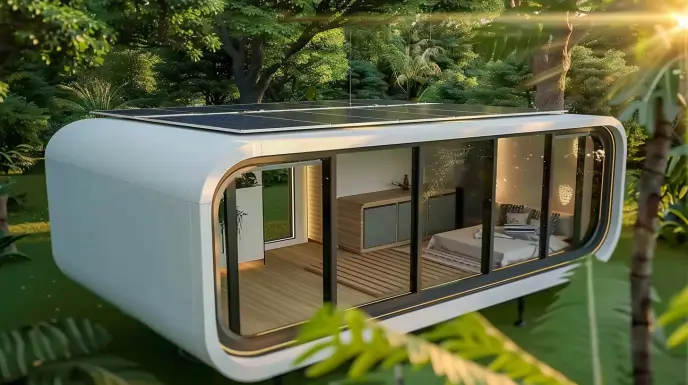
A tiny house pod is a small, prefabricated modular home designed for compact, efficient living. It’s perfect for those looking to downsize, live sustainably, or create an off-grid retreat.
The price usually ranges from $30,000 to $70,000 for the pod itself. Adding a solar power system typically costs an additional $10,000 to $25,000, depending on your energy needs and system size.
Yes! With the right solar setup, battery storage, and energy-efficient appliances, you can enjoy full off-grid living without sacrificing comfort.
Off-grid living offers freedom from utility bills, greater environmental sustainability, the ability to live in remote locations, and increased self-sufficiency.
Permit requirements vary by location. It’s important to check local building codes and zoning laws before installing your tiny house pod.
Living off-grid in a solar tiny house pod is more achievable and rewarding than ever. Whether you want a weekend retreat, an eco-friendly home, or a unique rental opportunity, Roof Jet Cabin’s modular pods provide modern comfort with complete energy independence.
Explore our range of customizable tiny house pods designed for off-grid living — built to your specifications, shipped quickly, and ready for solar integration.
Contact us today to learn how you can make sustainable, off-grid living a reality with Roof Jet Cabin.
